What Makes a Food Brand Ready for Woolworths or Coles?
Getting a listing at Woolworths or Coles is a significant milestone for any food brand. But the process of getting there — and surviving once you're in — is more demanding than most founders expect. And a large part of what makes or breaks a listing pitch isn't the product. It's the packaging.
Having worked on packaging for brands sold through both Woolworths and Coles, here's what we've learned about what buyers and category managers are actually looking for.
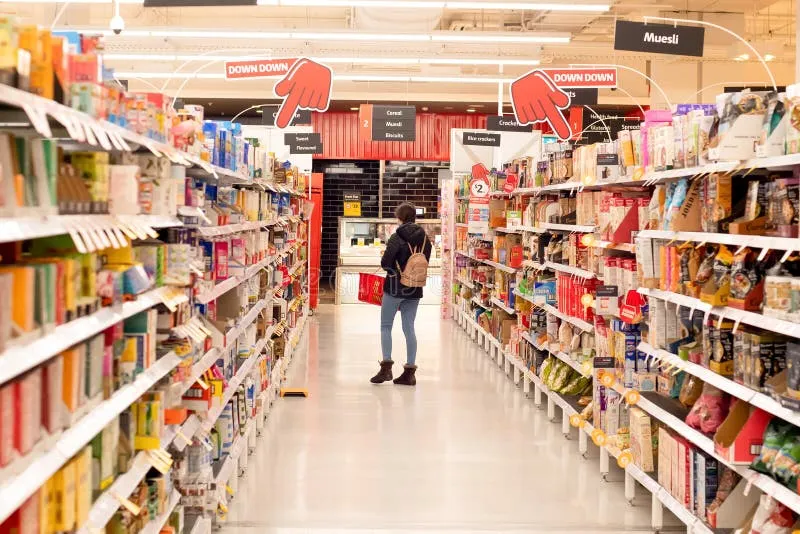
Buyers are thinking about the whole shelf
A category manager isn't just evaluating your product. They're thinking about how it fits into the fixture, what it does to the overall look of the category, and whether it will confuse or help shoppers navigate. Your packaging needs to communicate a clear positioning at a glance.
This means having a distinctive visual identity that works within category conventions while also standing out from them. It's a balance — too different and it's confusing; too similar and there's no reason to switch.
Scalability matters more than originality
rtisan, handmade aesthetics work beautifully in delis and specialty grocers. They don't always scale to a national supermarket environment. Packaging that relies on handwritten typography, complex textures, or highly customised print techniques can create problems at high volume.
Buyers know this. They want to see that your packaging can be reproduced reliably at scale, that your label or carton can survive refrigeration, that the print quality is consistent across runs.
The range system needs to work
Single-product listings are rare. Most buyers want to see a range — and that range needs to work as a visual system. The brand architecture has to make sense: a shopper should be able to pick up any variant and immediately understand which brand it belongs to and what's different about this one.
If your three SKUs look like they came from three different brands, that's a problem — both for the buyer and for the shopper.