How to Build a Packaging System That Scales
One of the most common challenges we see with growing food and FMCG brands is packaging that works for the first few products but starts to break down as the range expands. What looks cohesive at three SKUs becomes chaotic at ten.
Building a packaging system, not just packaging, is what separates brands that scale successfully from brands that end up with a visual mess.
The difference between packaging and a packaging system
Packaging is a solution for one product. A packaging system is a set of rules and components that can be applied consistently across an entire range and extended to new products without starting from scratch.
A well-designed packaging system defines: how the brand name is positioned and treated, how variant or flavour is communicated, how nutritional or functional claims are presented, what colours mean what, and how photography or illustration is used. Every new SKU is an application of those rules, not a new design exercise.
Colour architecture
In a multi-SKU range, colour is the primary navigation tool. Shoppers don't read flavour names from a distance. They read colour. Your colour architecture needs to be: distinctive enough that each variant is clearly different, consistent enough that all variants read as the same family, and strong enough to work from 1.5 metres.
The failure mode is using colours that are too similar (a dark green and a forest green that look identical on shelf) or too different, so the range looks like separate brands.
Typography as a system
Most packaging design briefs focus on 'the look.' Fewer clients ask about the typographic system. But typography is what gives a range its voice and its coherence. If your brand name is set in a refined serif and your flavour names are in a casual handwritten script, that tension needs to be intentional and controlled, or it creates visual noise.
A packaging system defines the typographic hierarchy: which font is used for what, at what size, in what weight, in what colour. It's boring to define and powerful in execution.
The hero element
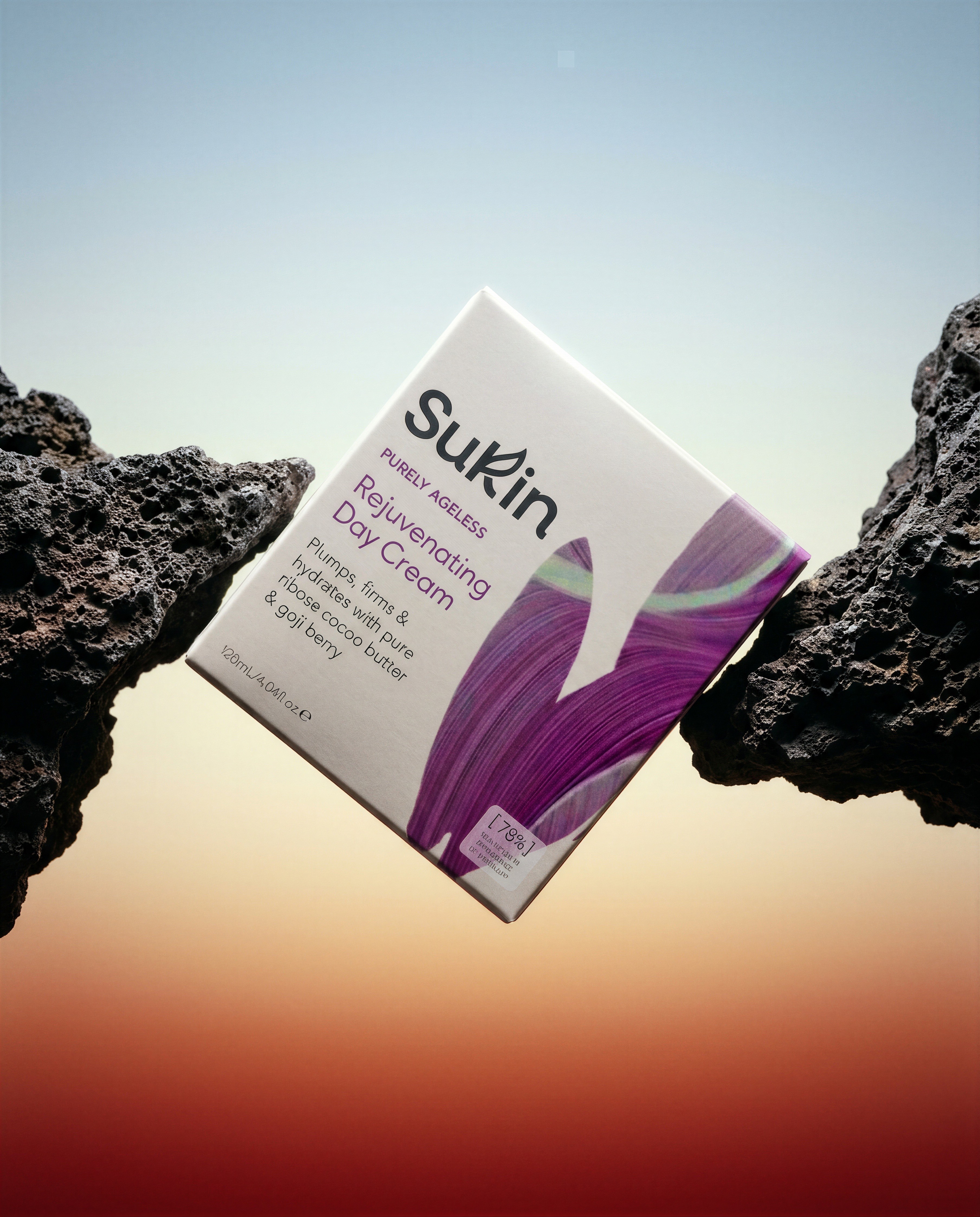
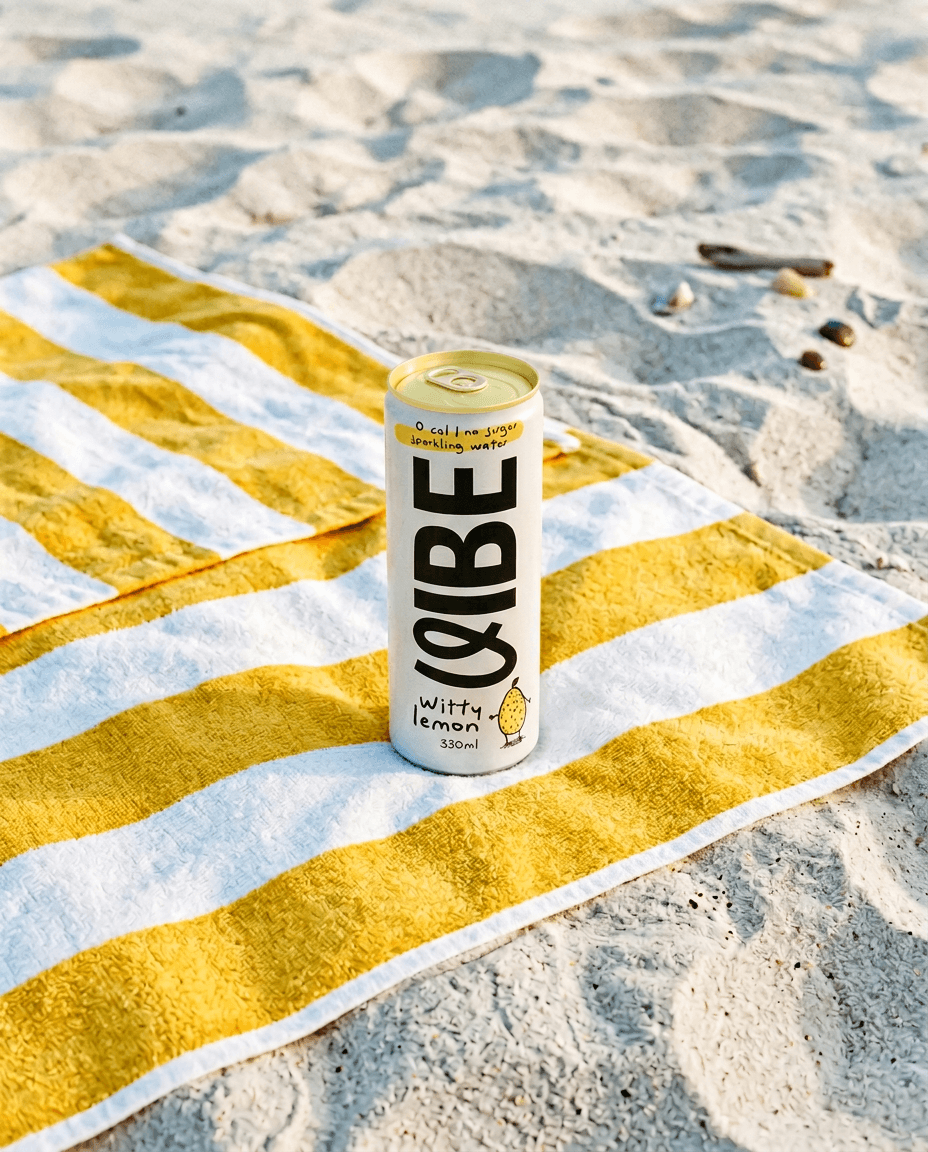
Great packaging systems usually have one hero element (a photographic style, an illustration style, a structural device) that carries the visual identity across every variant. For Vibe Drinks, it's the boldness of the can. For Zena Hair Care, it's the treatment of the brand mark. The hero element is what makes a range recognisable even in peripheral vision.
When we brief a new packaging project, one of the first questions is: what's the one element that will hold this range together at 30 SKUs?