What Great Drinks Branding Looks Like in 2025
The Australian drinks market has undergone a visual revolution in the past decade. The category that was once dominated by the same three or four legacy brands is now a competitive landscape of craft breweries, functional beverages, premium waters, and non-alcoholic alternatives, each fighting for attention on increasingly crowded shelves and in fridges.
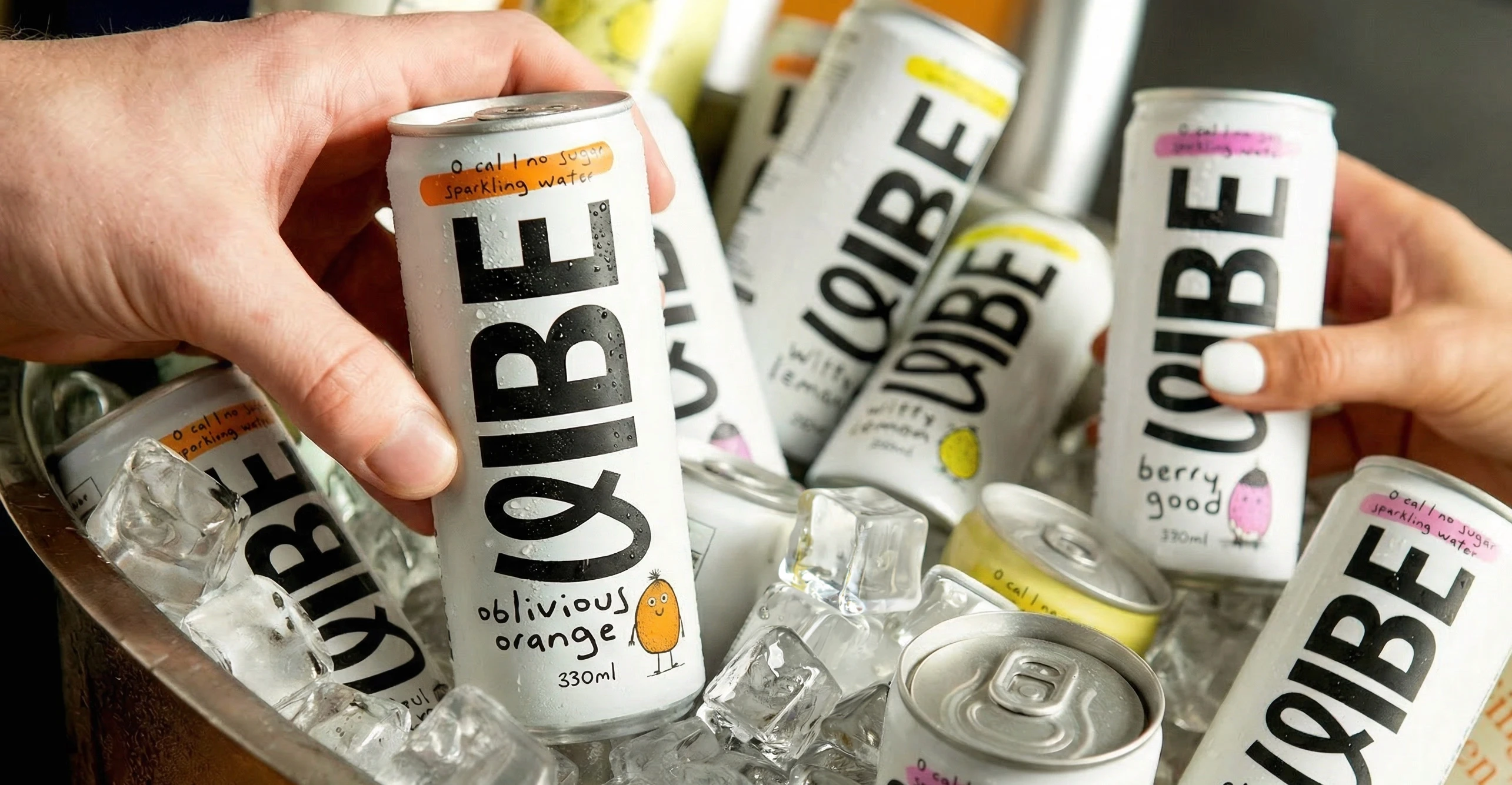
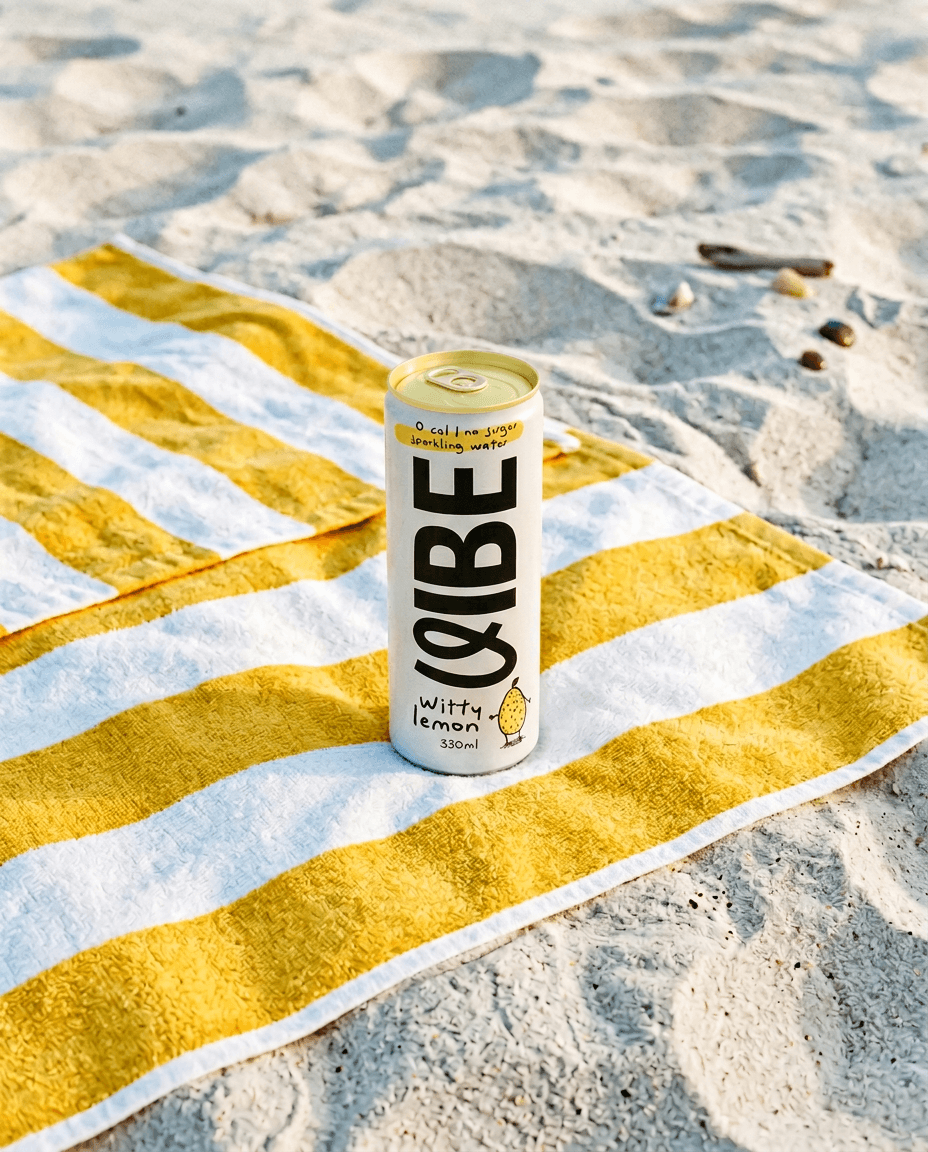
Having designed for brands including Asahi's Vibe and worked across the category, here's what separates the brands getting it right.
Boldness is non-negotiable
A drink is consumed in seconds. The decision is made in less. The brands winning on shelf and in the fridge are the ones that communicate their identity immediately and confidently. A small, subtle logo on a clear bottle doesn't survive in a cold drinks fridge from 2 metres away.
Boldness doesn't mean loud. Some of the best drinks packaging is visually quiet but confident: a single strong typographic treatment, a distinctive structural choice, a colour used with total conviction.
The can vs bottle decision is a brand decision
The choice of format communicates before anything else. A can signals approachable, modern, lower-cost or casual. A bottle, particularly glass, signals premium, occasion, considered. This is a brand strategy decision that needs to precede any design work.
We've seen brands undermine their premium positioning by choosing the wrong format, and brands succeed in mass market because their format matched their target occasion.
Functional claims need visual integration
The functional drinks category (kombucha, prebiotic soda, adaptogen waters) has a specific challenge: the functional benefits need to be communicated clearly without turning the packaging into a pharmacy label.
The brands doing this well are integrating the functional story into the visual language of the brand, not layering claim badges on top of an unrelated design. The form and the function feel like the same thing.
The non-alcoholic category is having a design moment
Premium non-alcoholic alternatives (zero-alcohol wine, botanical spirits, non-alcoholic aperitifs) are competing directly with premium alcoholic products on shelf. The visual language needs to match: elegance, restraint, occasion-appropriate positioning.
The best non-alcoholic brands don't look like they're apologising for being alcohol-free. They look like they've chosen to be alcohol-free. That confidence shows in the design.