Two Tables. What Spain and Australia Taught Me About Food, Design and What People Actually Value.
There are two tables I keep coming back to.
The first is in Barcelona. A Sunday lunch that starts at two and ends when it ends. The table is covered — bread, olive oil, pa amb tomàquet, some jamón that someone's uncle brought from the village, a tortilla that nobody is entirely sure who made. Wine that cost five euros and tastes like it shouldn't. The conversation is about nothing and everything. Nobody is documenting it. Nobody is asking about macros.
The second is in Sydney. A Saturday market in the Northern Beaches. People moving with intention. Matcha in one hand, a bag from the organic stall in the other. Labels being read carefully. Questions being asked about sourcing. A $14 juice that someone thinks about for a moment before buying.
I've spent twenty years sitting at both tables. Designing for both tables. And the tension between them is the most interesting thing I know about food, brands and what people actually want.
In Spain, food is not a product. It's a context.
I grew up in a culture where eating is inseparable from being together. The quality of the olive oil matters, but not in an anxious way — in a proud way. My grandmother didn't buy extra virgin because of the health benefits. She bought it because her family had always bought that one, from that region, and because it tasted correct.
Spanish food culture is deeply unmarketed. The best things — the anchovy from the Cantabrian coast, the jamón ibérico, the Rioja that a local bodega has been making the same way since before my parents were born — don't need to explain themselves. The provenance is the marketing. The tradition is the trust. You don't tell a Spaniard that something is artisan. You just make something good and let them taste it.
This makes for a very particular relationship with packaging. In Spain, the most trusted products often have the most modest packaging. A paper label, a hand-stamped date, a name that is literally just a family name. The simplicity is the signal. Anything that tries too hard is immediately suspect.
In Australia, food is a statement.
When I moved to Sydney thirteen years ago, I found a food culture that was doing something genuinely exciting — and genuinely different. Australia had taken the clean, natural, provenance-led values of traditional food culture and turned them into a contemporary identity. Better-for-you wasn't a compromise here; it was aspirational. Organic wasn't niche; it was a value system.
The result was a generation of food brands that were building something new: products with real integrity, communicated with real confidence. The founders I started meeting weren't just making food — they were making a point. About sustainability, about ingredient transparency, about what daily consumption could look like.
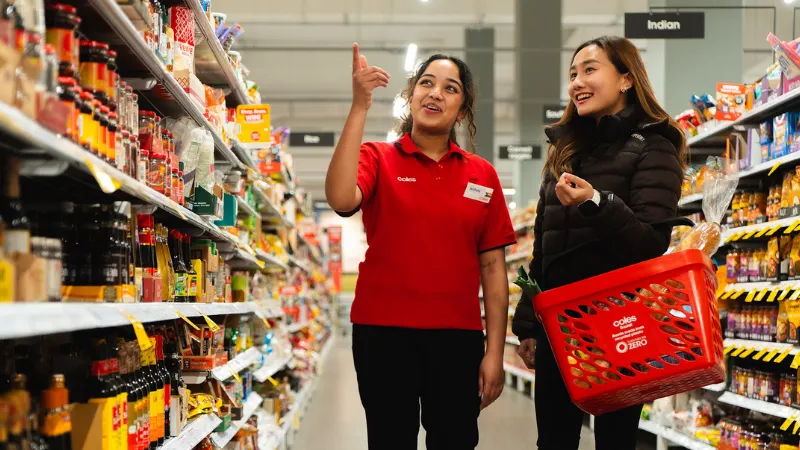
But Australia is also a market where packaging has to work very hard. The supermarket shelf is competitive in a way that a Barcelona market isn't. You have three seconds. The visual language needs to do the work that relationships and tradition do in Spain.
This creates a different design problem. Not better or worse — different. The challenge is to communicate authenticity at speed. To make something feel trustworthy in a context where trust has to be earned immediately, visually, before a single word is read.
What designing across both worlds has taught me.
The Spanish instinct is restraint. Say less. Trust the product. Let the provenance speak.
The Australian instinct is communication. Be clear. Be bold. Earn attention quickly.
The best packaging I've worked on has found a way to do both. It has the confidence of something that doesn't need to explain itself — and the clarity of something that knows exactly who it's talking to.
I think about this constantly when I'm designing. Not "what looks good" but "what does this brand actually believe, and how do you show that in three seconds on a shelf?" That question gets asked differently in Spain and in Australia. The answers look different. But the underlying question is the same.